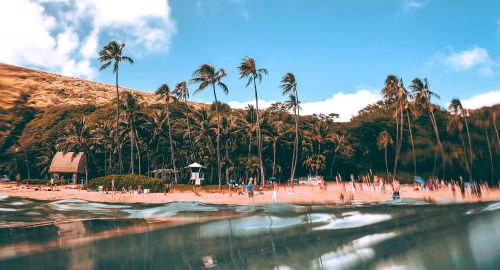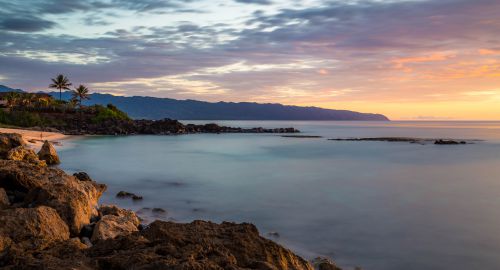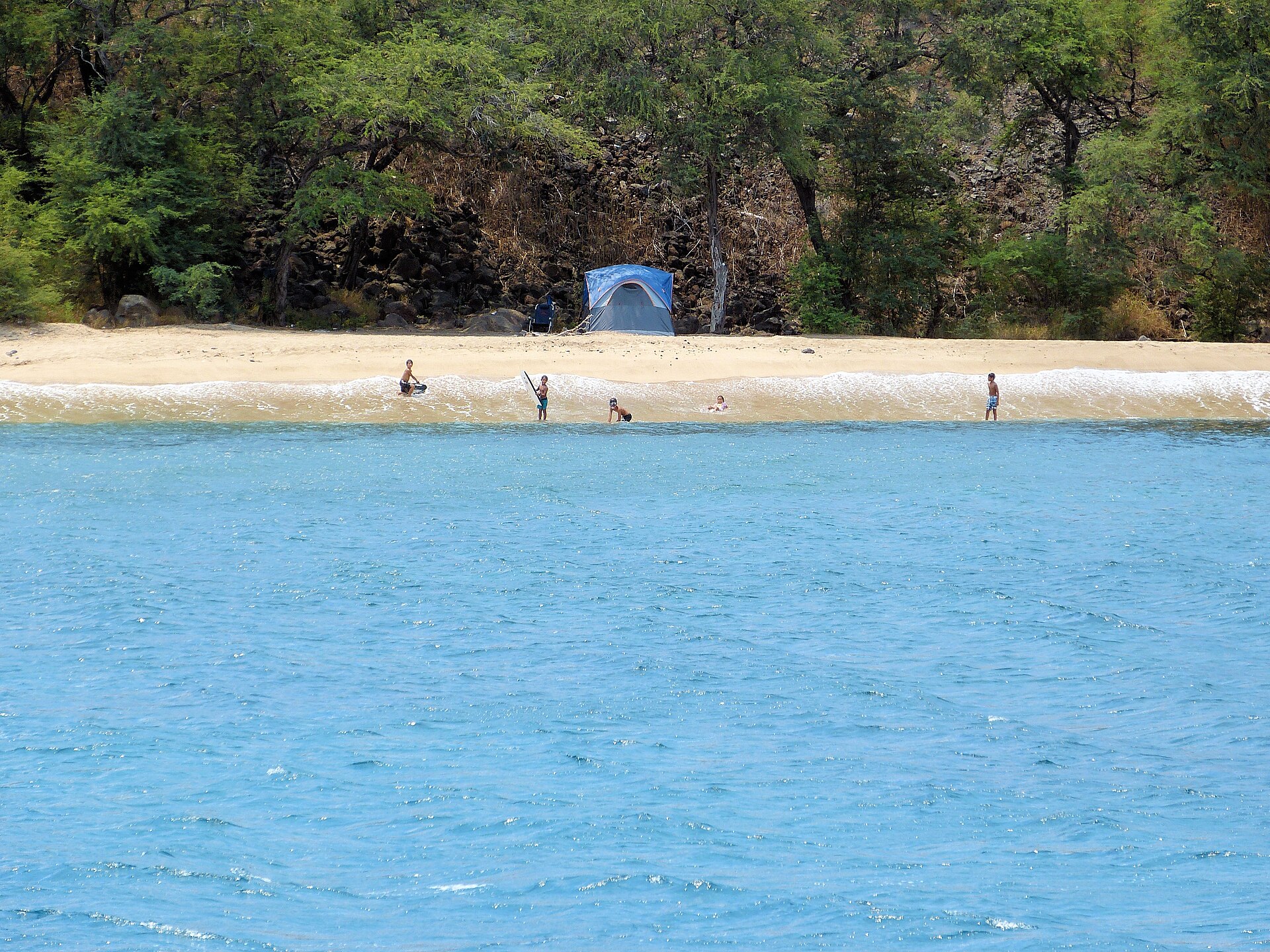
Packing for Hawaii with kids is mostly about three things: keeping everyone protected from the sun, being ready for the water, and having one warm layer for the surprising places where Hawaii gets cold. Get those right and you can buy almost anything else you forgot at an ABC Store, Target or Costco after you land.
Here's the list we'd hand any family heading to the islands, grouped by what it's for, with the reasoning behind each item so you can skip what doesn't fit your trip.
Sun protection (the non-negotiables)
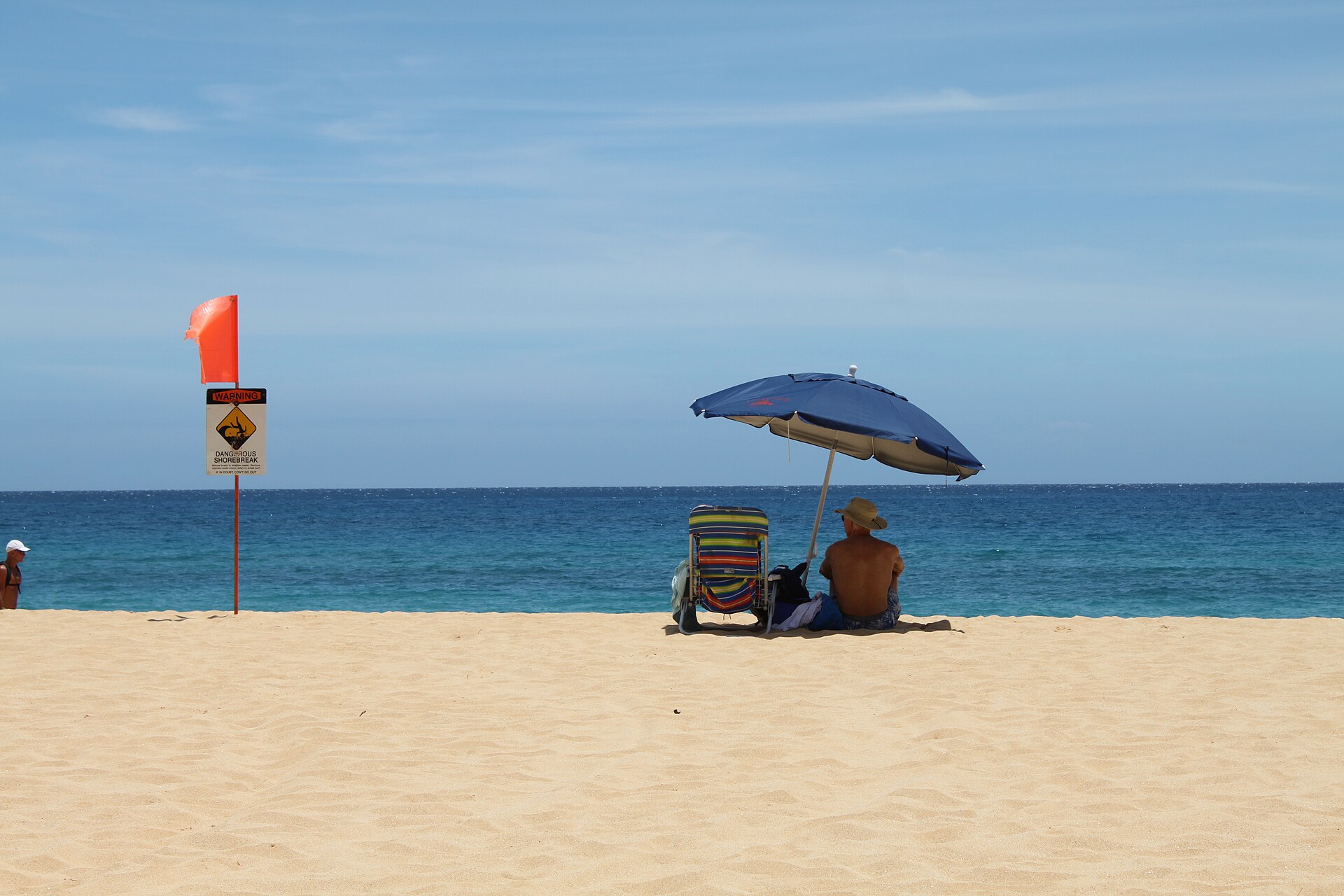
The Hawaiian sun is strong year-round, and kids burn fast on boats and beaches where there's no shade.
- Reef-safe mineral sunscreen. Hawaii bans sunscreens with oxybenzone and octinoxate, and Maui and the Big Island go further. Pack a zinc oxide or titanium dioxide formula. Our Hawaii sunscreen ban guide lists what's allowed.
- Rash guards for everyone. Long-sleeve swim shirts mean far less sunscreen to apply, and they protect backs during long snorkel sessions.
- Wide-brim hats and sunglasses. Bring a hat with a chin strap for little ones; trade winds will take anything that isn't secured.
- Lip balm with SPF and aloe gel for the inevitable missed spot.
Beach and water gear
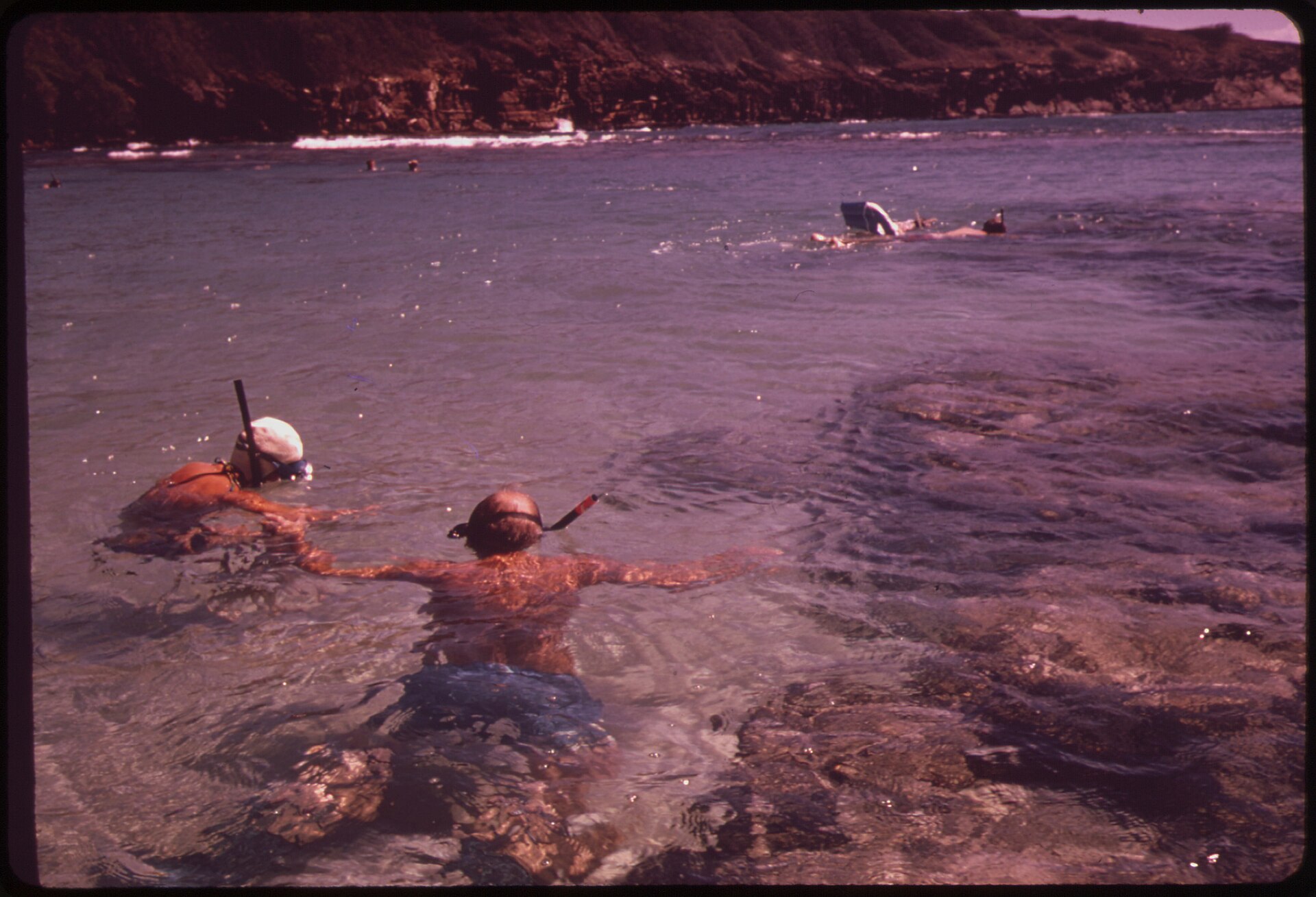
- Two swimsuits per person. Humidity means suits rarely dry overnight.
- Water shoes. Lava rock, coral rubble and hot sand are hard on bare feet, especially on black sand beaches.
- Kids' snorkel masks that actually fit. Rental masks rarely fit small faces. A good mask is the difference between a kid who loves snorkeling and one who quits after a minute.
- A dry bag and a waterproof phone pouch for boat tours and kayak trips.
- A lightweight beach bag and a collapsible cooler bag. Buy boogie boards and beach toys locally instead of flying them in.
Clothes for warm days
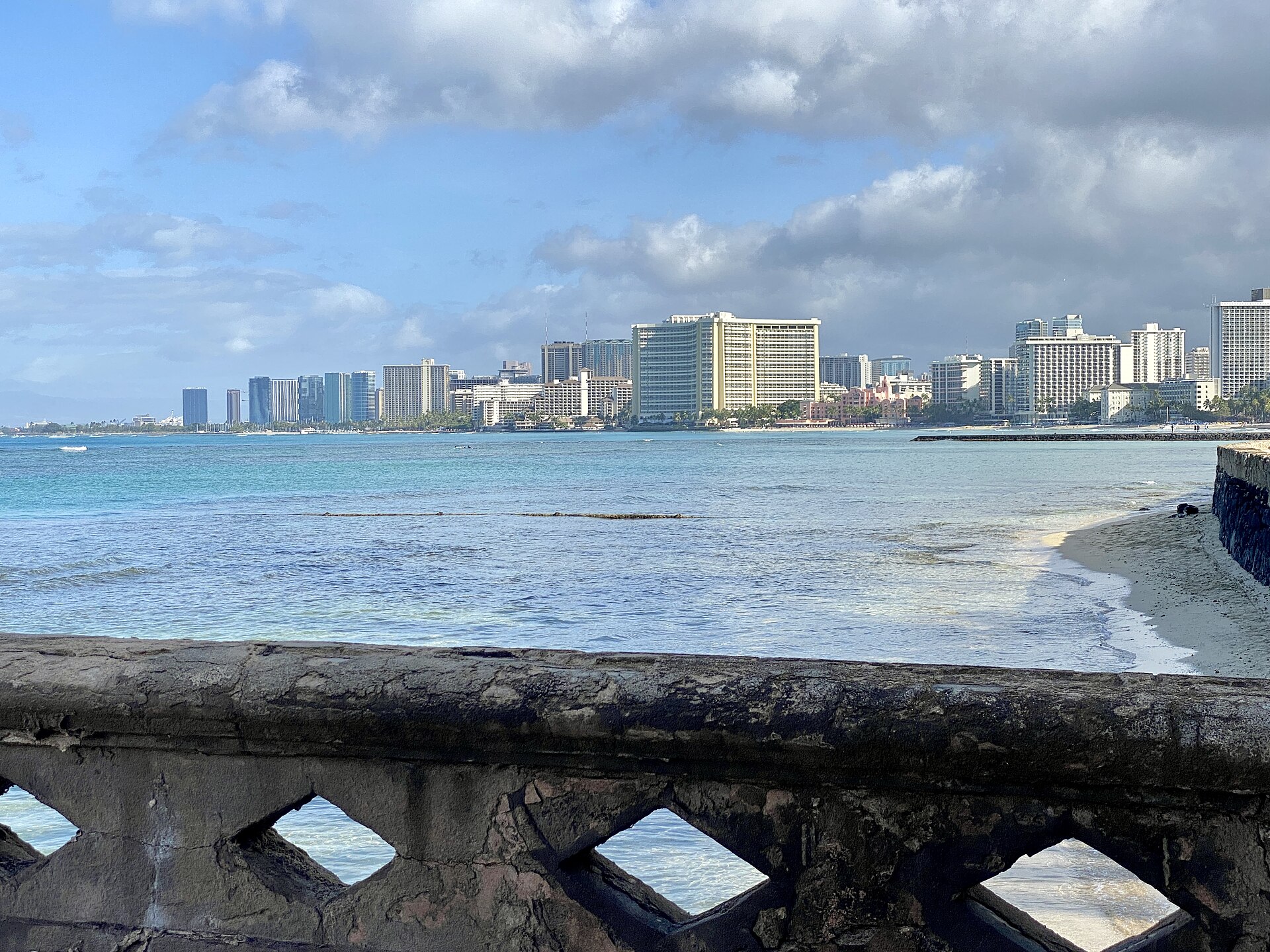
Think breathable and quick-drying. Cotton tees are fine, but quick-dry fabrics are more comfortable in the humidity.
- Shorts, tees and sundresses for each day, plus one or two outfits nice enough for a luau or a sit-down dinner.
- Flip-flops (locals call them slippers) and one pair of sneakers or sport sandals per person.
- Pajamas and a light hoodie; air-conditioned restaurants and evening trade winds can feel cool.
Warm layers for volcanoes and mountains
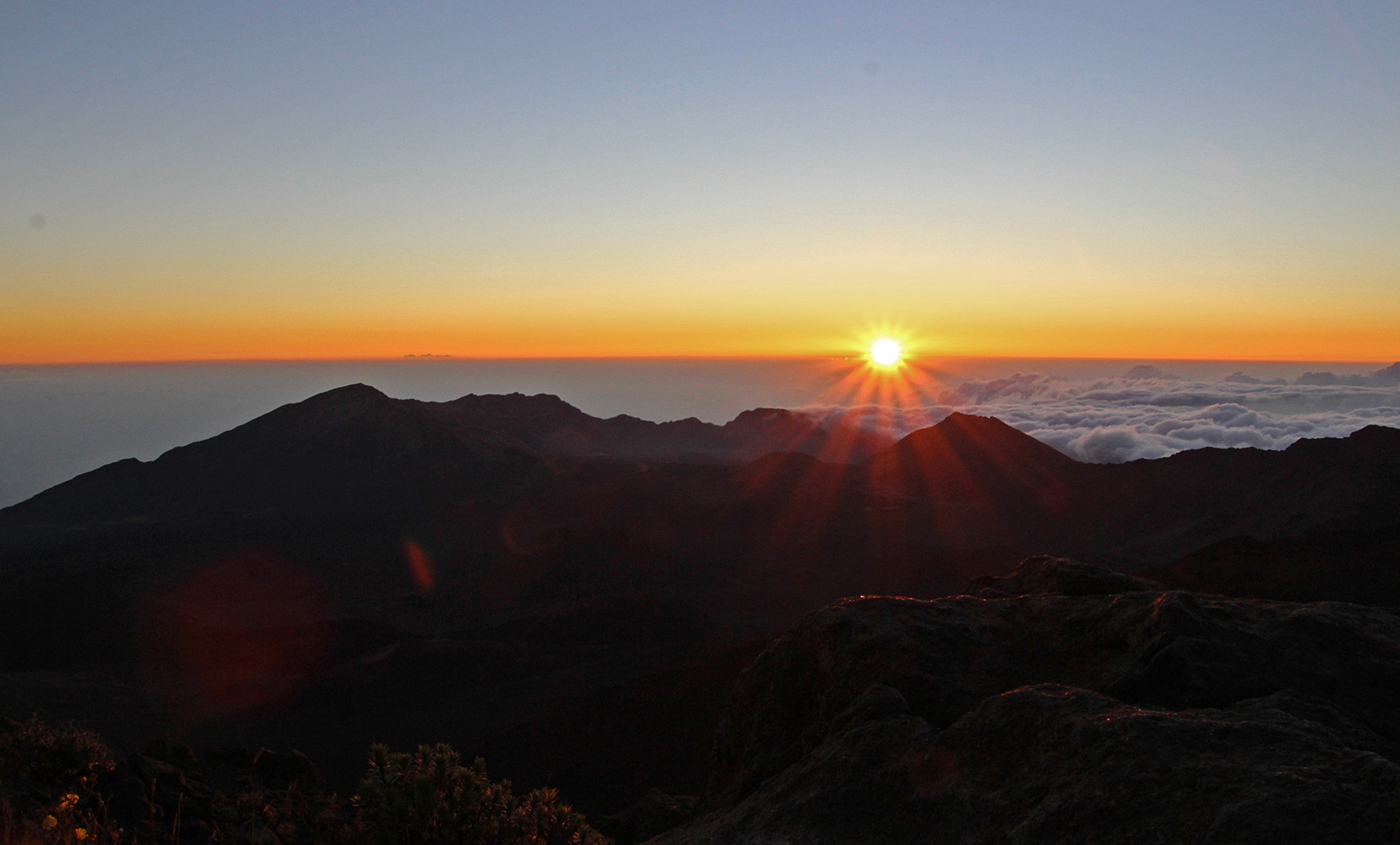
This is the item families most often forget. Sunrise at Haleakala on Maui, stargazing near Mauna Kea and evenings at Hawaii Volcanoes National Park can drop to the 40s °F or lower, and the summits can be windy.
- A fleece or puffy jacket for each person.
- Long pants and closed-toe shoes.
- A beanie and light gloves for kids if you plan a sunrise trip.
Rain and hiking
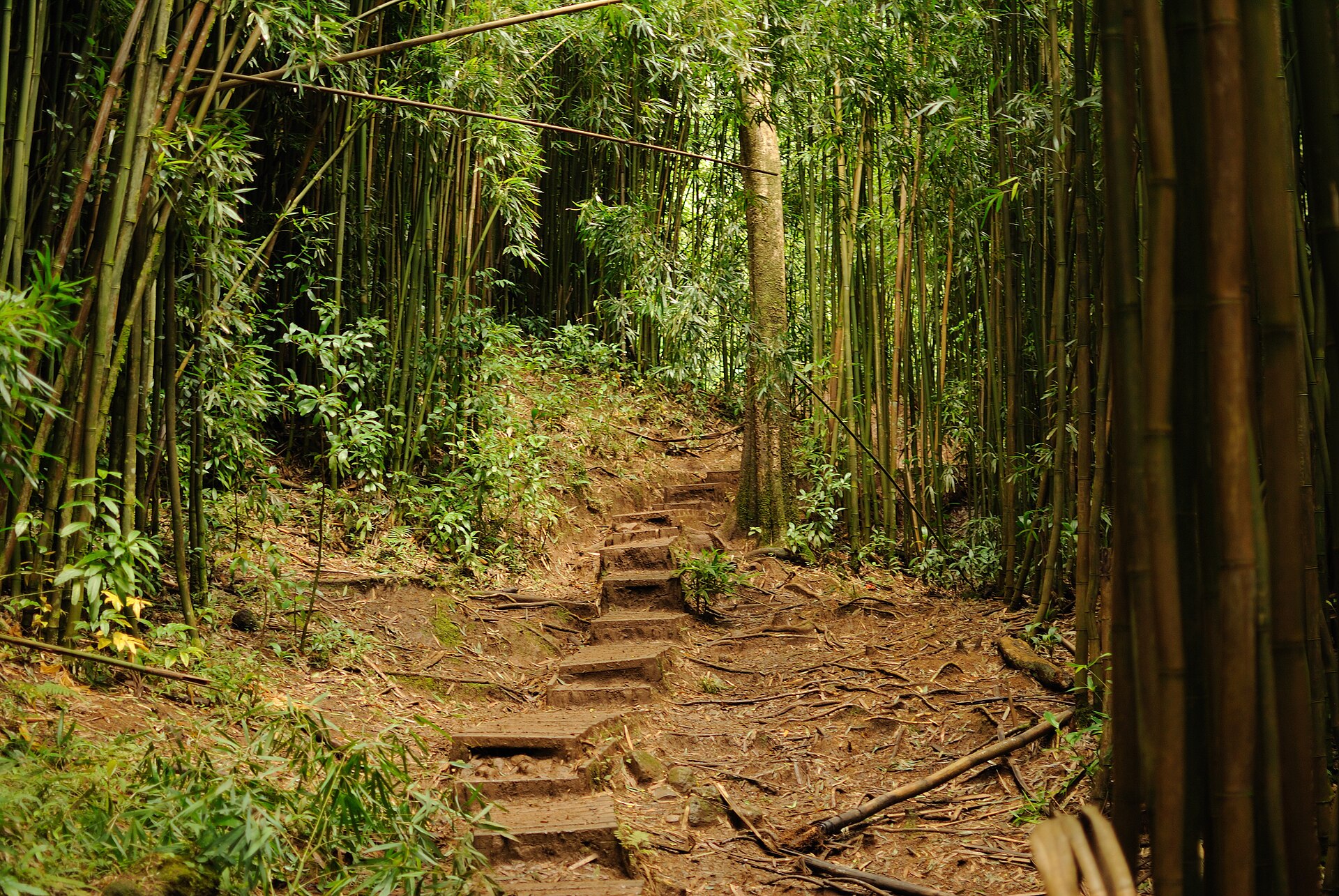
Passing showers are part of life on the windward sides of the islands, and they're usually followed by rainbows.
- A packable rain jacket for everyone.
- Shoes with grip for muddy trails like Manoa Falls or Waimea Canyon. Expect red dirt to stain them.
- Reusable water bottles; you'll drink more than you expect.
- Insect repellent for rainforest walks and botanical gardens.
Getting around with kids
- Car seats or boosters. Hawaii law requires child safety seats for young children and boosters for most kids up to age 7. Renting one costs roughly $10–$15 per day per seat, so many families bring their own; most airlines check them free. See our guide on renting a car in Hawaii for the rest of the rental details.
- A compact travel stroller and a baby carrier. The stroller handles resorts and towns; the carrier handles trails and beaches.
- Motion-sickness remedies for boat tours and winding drives like the Road to Hana.
Health kit and documents
- A small first-aid kit: bandages, antiseptic wipes, children's pain reliever, antihistamine and any prescriptions.
- IDs, insurance cards and copies of reservations. Travelers flying from the mainland don't need a passport.
- A portable phone charger; long beach days drain batteries.
What to leave at home
- Fresh fruit, plants and soil. Hawaii's agriculture rules restrict bringing them in, and you'll pass an agricultural inspection on the way out.
- Bulky beach gear. Chairs, umbrellas and boogie boards are cheap to buy or rent on the islands.
- Too many shoes. One pair of slippers, one pair of water shoes and one pair of sneakers covers nearly everything.
Wrapping it up
Sun protection, water gear and one warm layer are the essentials; everything else is comfort. If you're still deciding when to go, our guide to the best time of year to visit Hawaii covers weather, crowds and prices month by month.

Written by
Hawaiianly
Practical, regularly updated guides to planning a trip to the Hawaiian Islands.